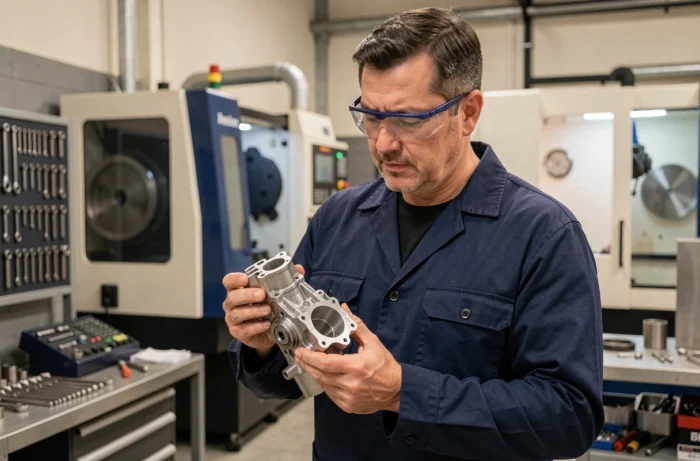
On a a production line for aeronautical parts in Haute-Savoie, an operator now adjusts their machine tool via a connected tablet that adjusts machining parameters in real-time. This type of scene is becoming commonplace in French workshops, reflecting a deeper movement: mechanics in France are no longer just optimizing their processes; they are changing their software.
Capital Goods and Industrial Mechanics: The Real Engine in 2025-2026
Automobiles are often the focus when it comes to mechanics. However, the reality of the situation tells a different story. According to data from Insee published in August 2026, the turnover of capital goods is steadily increasing in 2025-2026, with an index higher than that of the rest of the manufacturing industry.
Specifically, it is the manufacturers of machines, industrial equipment, and mechanical components that are driving the sector. Order books related to energy, defense, and infrastructure are fueling this dynamic more than just the automotive sector.
Professionals who follow mechanical news daily find this trend echoed on the actumecanique fr website, where topics related to equipment and industrial production are increasingly taking precedence over traditional automotive sections.
Anti-Pollution Spending in Industry: A Direct Lever for Mechanical Trades
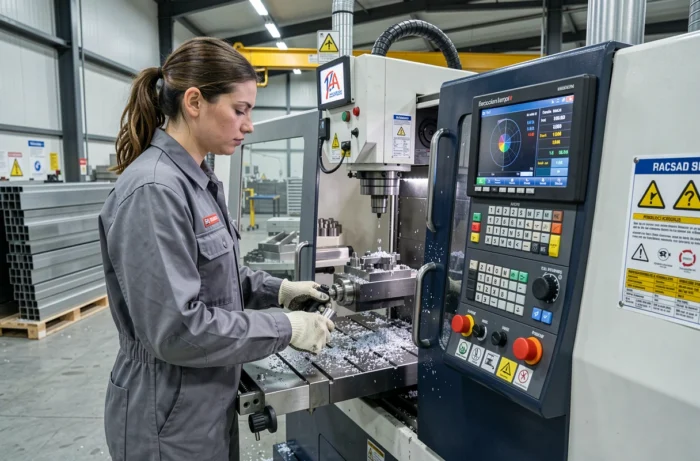
A sheet metal workshop installing filtration systems on existing lines, a design office conceiving the retrofit of a hydraulic press to reduce its energy consumption: these missions are multiplying. Insee Première, in its September 2026 publication on anti-pollution spending in industry for 2024, confirms a growing trend in environmental investments.
This increase generates concrete needs for the mechanical sector:
- The design and installation of emission treatment systems, which require skills in piping, welding, and mechanical assembly.
- Projects for retrofitting existing machines to lower energy consumption, a booming niche in industrial SMEs.
- Preventive maintenance of anti-pollution equipment, which creates recurring positions for specialized technicians and mechanics.
For industrial mechanics workshops, this trend is changing the very nature of orders. We are moving from standard machined parts to integrated assemblies where environmental performance is part of the specifications.
Repair and Installation of Machines: A Sector Under Recruitment Pressure
The NAF code 33, which covers the repair and installation of machines and equipment, has shown notable revenue growth in recent years. We are talking about thousands of companies in France, the majority of which have fewer than ten employees.
The main problem remains recruitment. Job offers for industrial mechanics, maintenance technicians, or fitters are multiplying on specialized platforms. Feedback on this point varies by region, but the shortage of qualified profiles hinders the sector’s response capacity.
This imbalance pushes companies to invest in internal training and to enhance the value of field positions. Several professional federations, including Mecallians (formerly FIM), are working to make mechanical trades more visible to young graduates and individuals in career transition.
Digital Technologies in Workshops: What Really Changes Day-to-Day
The discourse on Industry 4.0 has been circulating for years. On the ground, adoption remains uneven, but some technologies have crossed the threshold of concrete deployment in French mechanical workshops.
Digital simulation of machining processes helps reduce setup times and limit waste. CAD (computer-aided design) software now includes modules for automatic tool path optimization, accessible even to small structures.
Metal 3D printing is also progressing in the production of limited series mechanical parts. It is used for functional prototypes, custom tooling, and hard-to-find spare parts. Cetim (Technical Center for Mechanical Industries) assists SMEs in evaluating these processes to determine their relevance compared to conventional machining.
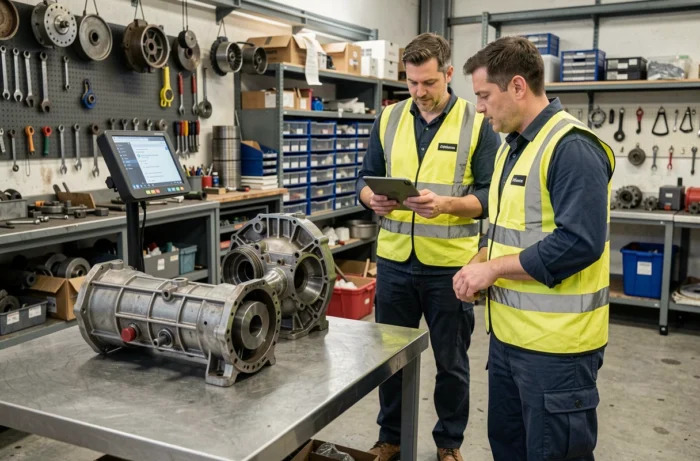
Another tangible evolution: predictive maintenance via connected sensors installed on machine tools. Vibrational and thermal data are sent to analysis platforms that alert before a breakdown occurs. For a production workshop, this means fewer unplanned stops and better management of wear part inventories.
Low Carbon Steel and Materials: A Constraint Redefining Supply Chains
The European regulatory pressure on the carbon footprint of materials translates into new requirements for mechanics and machinists. Aerospace and energy contractors are beginning to specify steels and alloys with a reduced carbon footprint in their specifications.
For a mechanical workshop, this means revisiting its supply chains and sometimes adjusting its machining parameters. A low carbon steel does not always behave like its conventional counterpart under the cutting tool, which requires testing and adjustment of working conditions.
The French steel sector, supported by players investing in the decarbonization of their furnaces, is gradually offering compatible references. Innovations in mechanics are therefore not limited to machines or digital technology: they also involve raw materials.
Mechanics in France is going through a period where changes are accumulating without one overshadowing the others. Between the rise of capital goods, anti-pollution requirements, recruitment pressures, and the arrival of new materials, the workshops that adapt the fastest are those that combine technological monitoring and investment in their teams.