Creative arts encompass all practices where a gesture, a tool, or a program produces an original form, whether it be painting on canvas, sculpture, digital graphics, or animation. In 2026, two opposing dynamics structure this universe: the increasing integration of artificial intelligence into the creative processes, and a strong return to artisanal know-how. Understanding these two movements allows for situating the portraits of artists and the inspirations that arise from them.
Generative Art and Galleries: How AI is Changing Contemporary Creation
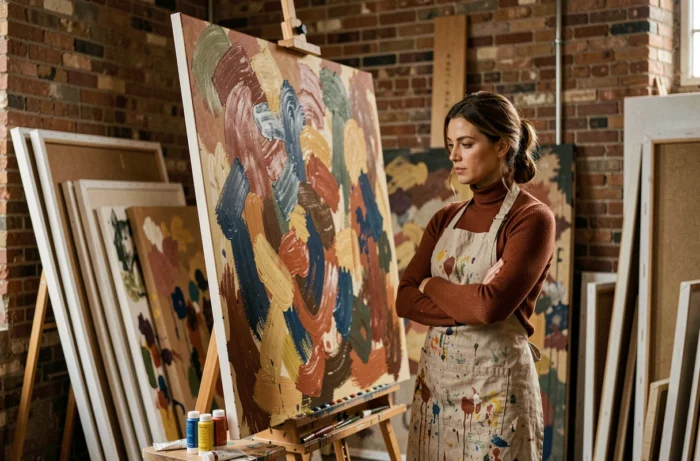
Generative art refers to works produced in part or entirely by algorithms, often driven by artificial intelligence models. The creator defines parameters (palette, style, formal constraints), and then the program proposes variations that the artist selects, edits, or assembles.
According to an analysis shared by Mentor-Artistique, about 30% of renowned galleries now include AI-generated works in their exhibitions. This figure marks a shift: digital art is no longer confined to specialized festivals or the screens of technological museums; it is entering the traditional commercial circuit.
This presence raises concrete questions. Copyright, first: when an algorithm trained on millions of images produces a composition, the authorship of the work remains legally unclear in most European legislations. The status of the artist, next: should a creator who uses a generative model as their main tool be considered an author, artistic director, or technical operator? The galleries exhibiting these works make decisions on a case-by-case basis, without a unified framework.
For enthusiasts of creative arts who follow trends and artist profiles, online resources regularly compile these developments: https://www.bigre-magazine.fr/ covers a wide range of cultural and creative topics, from photography to graphic design.
Return to Craftsmanship: Unique Pieces vs. Digital Standardization
Alongside the algorithmic wave, a counter-trend is gaining ground. Analyses of artistic inspirations for 2026 point to a marked return to artisanal know-how, with an increased appreciation for handmade pieces.
This dynamic is not limited to nostalgia. It responds to saturation: when a digital tool allows for the production of hundreds of visuals in a few minutes, the rarity and trace of the human gesture become criteria of value. Collectors and buyers seek embodied works, carrying a visible manufacturing story (irregular textures, tool marks, choices of raw materials).
Artisanal Techniques Gaining Visibility
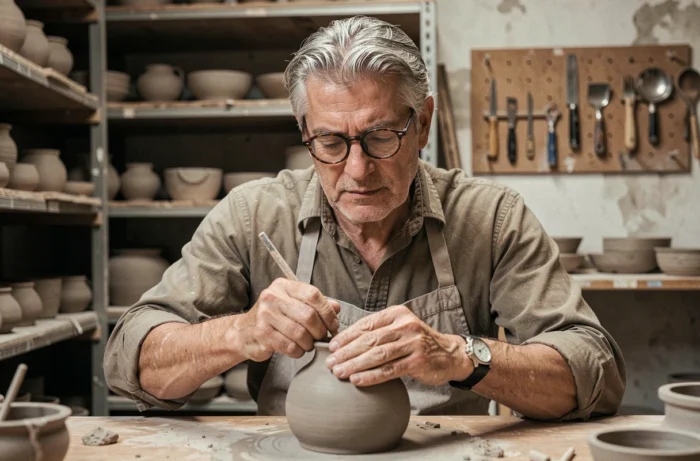
- Art ceramics, where each firing produces unique results due to variations in temperature and glaze, attracts new creators trained in industrial design.
- Engraving and printmaking are experiencing a resurgence of interest in shared studios, particularly because limited editions guarantee the rarity of each print.
- Hand-embroidered or woven textiles, often associated with contemporary patterns, blend inspirations from digital graphics with an irreplaceable physical medium.
The common thread of these practices: the artist’s hand remains visible in the finished work. This criterion becomes a distinguishing argument against algorithm-generated images, where technical perfection is immediate but the gesture is absent.
Artist Profiles in 2026: Hybrid Paths Between Digital and Workshop
The artist profiles emerging this year rarely reflect a binary choice between digital tools and traditional practice. The dominant trend is hybridization: a single creator may use 3D modeling software to design a sculpture, then realize it in cast bronze in a workshop.
Technical hybridization redefines the typical portrait of the contemporary artist. Academic paths increasingly incorporate mastery of tools like Adobe suites or real-time rendering engines, without abandoning observational drawing or oil painting classes. The result: creators capable of transitioning from a screen to an easel without conceptual disruption.
This versatility is also reflected in exhibitions. The 2026 artistic season, documented by several specialized media, shows displays where physical pieces coexist with projections or interactive installations. The public moves between tangible works and immaterial creations, altering how an exhibition is conceived and staged.
Social Conditions of Artist-Authors in France: A Tense Context
Behind aesthetic trends, the economic reality of creators remains a little-visible subject in inspiration magazines. Artist-authors in France fall under a specific social security regime, and recent regulatory developments, particularly around the RSA reform, tighten access conditions to aid.
The status of artist-author involves contributions and income thresholds that condition social coverage. When a creator does not generate sufficient income from their sales or commissions, access to benefits becomes precarious.
This context influences creative choices. An artist who must diversify their income (educational workshops, graphic commissions, residencies) has less time for personal research. Creation trends do not arise in a social vacuum: they are shaped by the concrete ability of creators to dedicate time to their practice.
Sponsorship and Funding for Creation
The Foundation of Artists, inheritor of a philanthropic model documented by the Ministry of Culture, continues to support residencies and grants. Decentralized aid for live performance and visual arts complements the system, but access remains contingent on administrative files that many independent creators struggle to compile alone.
- Artist residencies offer protected creation time, often accompanied by accommodation and a production allowance.
- Research grants allow for financing experimental projects without immediate commercial result obligations.
- Private sponsorship, which has been increasing in recent years, finances acquisitions and exhibitions but remains focused on already visible structures.
The universe of creative arts in 2026 can be read through this dual lens: aesthetic trends (generative AI, craftsmanship, hybridization) and the material conditions that make them possible or hinder them. A complete artist portrait never separates style from the context in which it takes shape.