
A free classified ad refers to an offer published without any deposit fees by an individual or a professional, typically on a web platform that monetizes in other ways (advertising, paid visibility options, commissions). Finding these ads near you requires understanding how geographic filters work, which platforms are truly free, and how to avoid the traps related to the apparent proximity of an offer.
Geolocation and search radius: the filter that changes everything
Most classified ad platforms offer a “location” field combined with a kilometer radius. This filter relies on the postal code or the browser’s geolocation. The difference between the two methods has a direct impact on the relevance of the results.
A postal code targets the geographic center of the associated municipality. The radius applies from this point, which can exclude neighboring areas that are actually closer to your real home. Browser geolocation, on the other hand, starts from your GPS position and sweeps outwards concentrically.
For categories where in-person pickup is the norm (furniture, appliances, bicycles), a radius of 10 to 20 km is usually sufficient. For real estate or services, expanding to 50 km allows capturing offers in less competitive suburban municipalities. Ads published on lepetitgratuit.fr, for example, cover a fine local network, making it easier to search for nearby offers without having to manually sift through hundreds of out-of-area results.
Adjusting the radius according to the ad category helps avoid drowning relevant results in an overly broad flow.
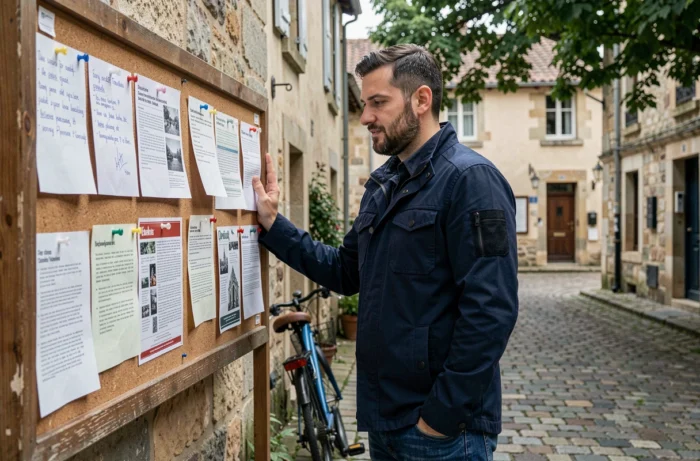
Real free classified ads: what platforms will charge in 2025
The word “free” in a platform’s title does not guarantee the absence of any fees. Business models have evolved in recent years, and unlimited free options are becoming more restricted in the most sought-after segments.
Since 2024, some generalist players have implemented quotas for free ads over a rolling 12-month period, particularly in real estate. Beyond this quota, posting becomes paid. Visibility packages (top listing, premium framing) have also become widespread.
Distinguishing free posting from free visibility
Posting an ad without paying does not mean it will be seen. On high-volume platforms, a free ad without highlighting options drops in the results within hours. Two mechanisms coexist:
- Free posting with a limited duration (30 or 60 days), after which the ad expires and must be manually recreated.
- Free posting with decreasing visibility: the ad remains online but loses positions to “enhanced” ads with paid options.
- Unlimited free posting, which is rarer, offered by smaller sites that rely on display advertising for funding.
For individuals selling common items (clothes, games, small furniture), traditional free options remain functional. For real estate, vehicles, or professional equipment, checking the publication conditions before creating an account saves time.
Local classifieds and second-hand: a rapidly growing market
The French second-hand market reached 14 billion euros in revenue in 2024 according to a Xerfi study. More than 70% of French people have bought or sold at least one second-hand product in the last 12 months. This dynamic directly fuels the volume of available local ads.
The practical consequence: in the most active categories (electronics, fashion, leisure, furniture), the stock of ads renews very quickly. A search conducted on Monday morning will not yield the same results as the same search on Wednesday evening.
Setting up alerts by category and location
The majority of platforms allow you to create email or notification alerts based on keywords and a geographic area. This feature transforms passive searching into active monitoring. Setting up an alert with a specific keyword (for example, “leather sofa” rather than “furniture”) reduces noise and increases the likelihood of finding a relevant offer before it gets taken.
Writing and filtering an effective ad near you
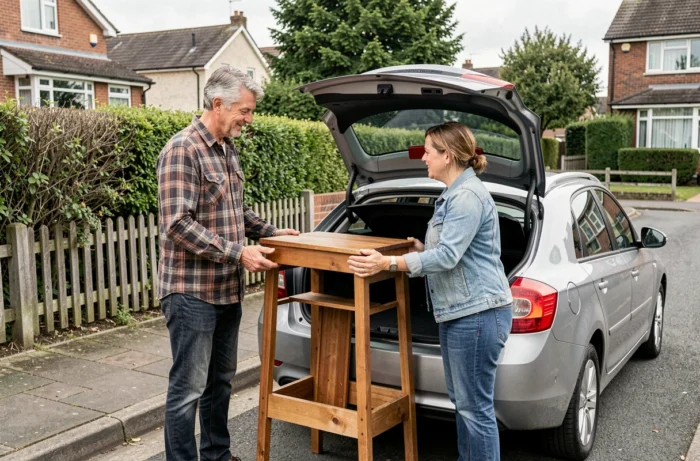
From the seller’s side, location also plays a role in the speed of the transaction. A precisely geolocated ad (neighborhood or district rather than the entire city) attracts buyers who already know they can easily travel.
Three elements increase the response rate of a local ad:
- A title that includes the name of the item and the city, which improves the internal SEO of the ad on the platform.
- Photos taken in natural light, without filters, showing the item from multiple angles and including a scale element (hand, ruler).
- A price consistent with the local market: consulting similar ads within the same kilometer radius before setting the amount.
A precise title with the name of the city generates more clicks than a generic title. The internal search engines of platforms work by keyword matching: “electric bike Toulouse” will rank better than “bike for sale.”
From the buyer’s side, filtering by publication date (last 24 hours or last week) eliminates outdated ads that the seller has not bothered to remove after the sale.
The market for free classified ads remains dense and accessible, provided you master the geographic sorting tools and understand the real limits of the advertised free options. Proximity remains the primary criterion for a successful transaction for physical goods picked up in person.